 Cleaning Resource CenterKitchen exhaust · NFPA 96
Hood, duct and fan, cleaned as one system.
Commercial kitchen exhaust cleaning across Arizona, Nevada, California and Utah, done to the NFPA 96 scope and documented with photos.
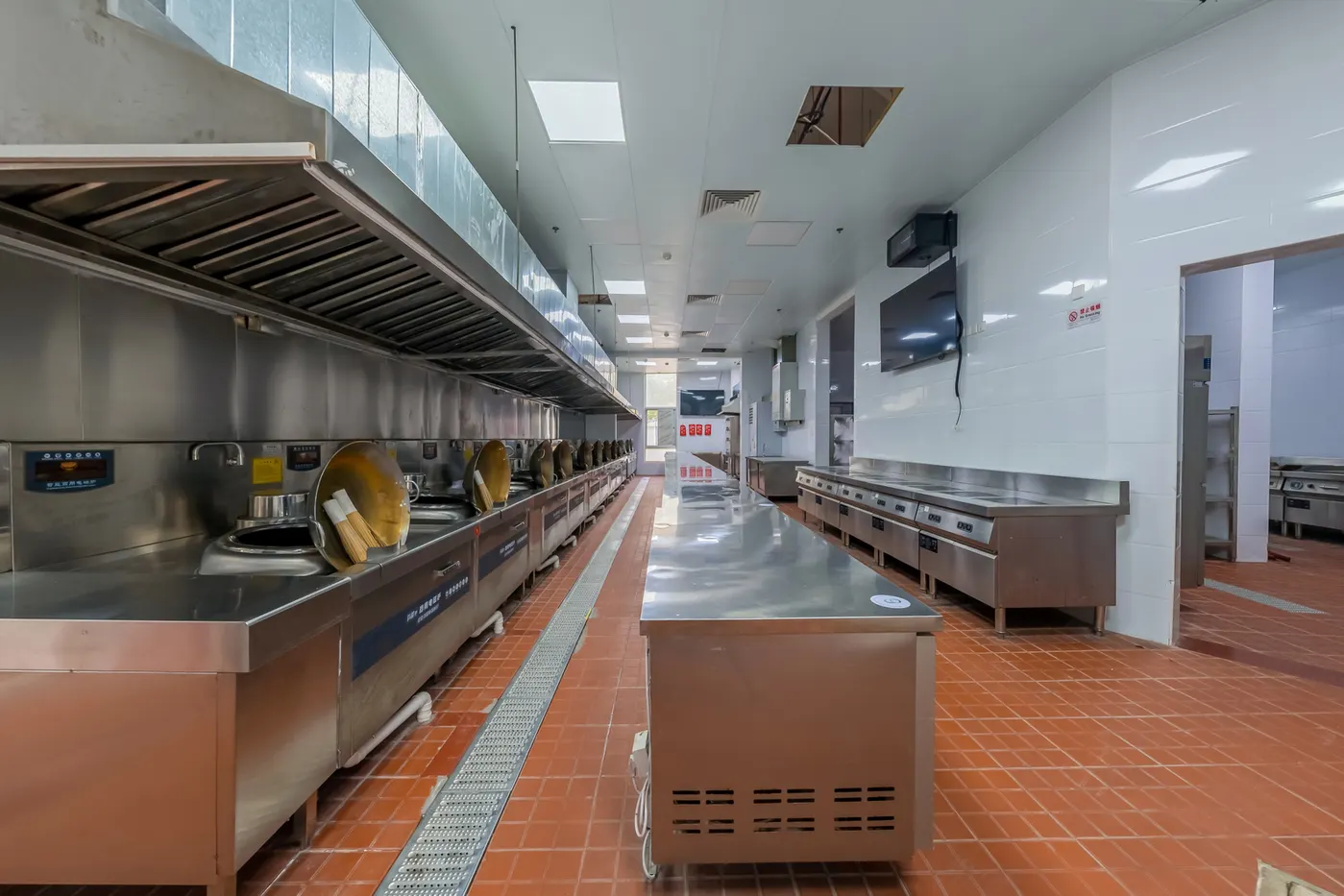
Kitchen Exhaust Cleaning across the Southwest.
Grease is the fuel in a kitchen exhaust fire, and it collects in places nobody sees during service: the plenum behind the filters, the duct running up through the building and the fan housing on the roof. A shiny hood can sit in front of a system that is still loaded with grease. CRC technicians prep the system and then clean all of it, so the grease is gone from end to end rather than just from the part the kitchen staff look at.
Some systems are hard to clean because they were designed with little or no access. CRC takes those jobs on. Crews use a rotating duct spinner on a high-pressure water line for vertical duct runs of around 20 feet, and modified lances that put the same spinner to work in horizontal duct. Where a system needs changes to be cleaned properly, CRC works out a plan to get it compliant and then keeps it there on a maintenance schedule.
What you get when the crew leaves
CRC photographs the entire system before cleaning, photographs the completed work, and records any deficiencies it finds in the exhaust system. A sticker on the hood shows the date of the cleaning and the next due date (NFPA 96, 11.6.13), and every access panel that was inspected or cleaned gets its own sticker showing what was done (NFPA 96, 11.6.10).
Management from CRC's quality control division visits customers after cleanings to check the work. To start, call (602) 454-6790 for a free inspection and quote.
Kitchen exhaust cleaning: common questions.
What people ask before they book this service.
Or call (602) 454-6790A clean hood does not mean a clean system. The hood is the only part most people see, but grease builds up in the plenum, the ductwork and the exhaust fan. NFPA 96 calls for the whole system to be cleaned, and CRC can inspect yours for free and tell you what it needs.
NFPA 96 sets the inspection schedule by type of cooking: monthly for solid fuel, quarterly for high-volume cooking such as 24-hour kitchens, charbroiling or wok cooking, semi-annually for moderate volume and annually for low volume. Your local fire authority can set its own schedule.
That is the kind of job CRC takes on. CRC specializes in difficult systems, including ones that were poorly designed and have little access for cleaning. Call (602) 454-6790 and describe the system, and CRC will inspect it and lay out a plan.
Other CRC services.
Ask about kitchen exhaust cleaning.
Tell CRC about the kitchen, the type of cooking and when the system was last cleaned. CRC will inspect the exhaust system and quote the work at no charge.