 Cleaning Resource CenterKitchen exhaust · NFPA 96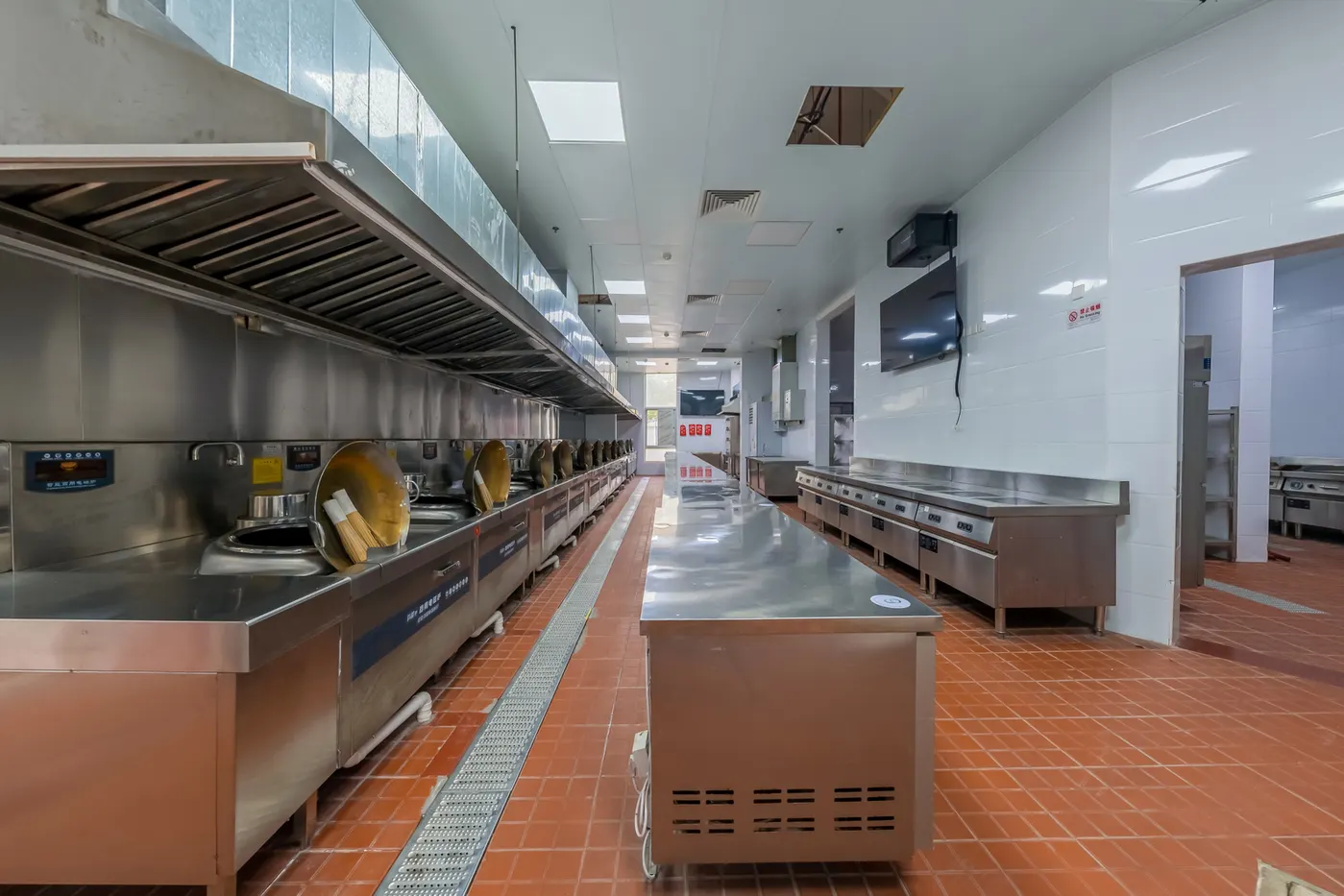
Kitchen Exhaust Cleaning
The whole exhaust system cleaned to NFPA 96, from the hood and plenum through the ductwork to the fan on the roof, with photos and a dated sticker when the crew is done.
NFPA 96 §11.6More about kitchen exhaust cleaning
Veteran owned · 100% ISNetworld approved
Cleaning Resource Center cleans restaurant and commercial kitchen exhaust systems to NFPA 96 in Arizona, Nevada, California and Utah. Every job ends with a photo report and a dated sticker on the hood.
Cleaning Resource Center (CRC) is a Southwest regional kitchen exhaust cleaning company. It was built on the skills of people with more than 50 years of business experience, and it is now in its 26th year in the kitchen exhaust cleaning industry. CRC is veteran owned and operated and makes a point of hiring and keeping military veterans.
CRC works in Arizona, Nevada, California and Utah and is 100% ISNetworld approved. Restaurant exhaust is the specialty, and CRC also handles commercial kitchen cleaning, dryer vents, power washing, high-line cleaning and other specialty work.
A full cleaning follows the scope in NFPA 96 §11.6, which runs from the hood all the way to the fan on the roof. Grease that stays anywhere along that path is still fuel.
How CRC cleans the systemThe fan on the roof, with its grease containment and hinge kit.
Every connecting run, vertical and horizontal, up through the building.
The space behind the filters where grease collects out of sight.
Catches the grease that runs down off the filters.
The part everyone sees. Filters can be cleaned on request or swapped through the filter exchange.
Exhaust cleaning is the specialty. The rest keeps the kitchen, the roof and the lot around it in order, from filter exchanges and pollution control units to dryer vents and power washing.
The whole exhaust system cleaned to NFPA 96, from the hood and plenum through the ductwork to the fan on the roof, with photos and a dated sticker when the crew is done.
NFPA 96 §11.6More about kitchen exhaust cleaning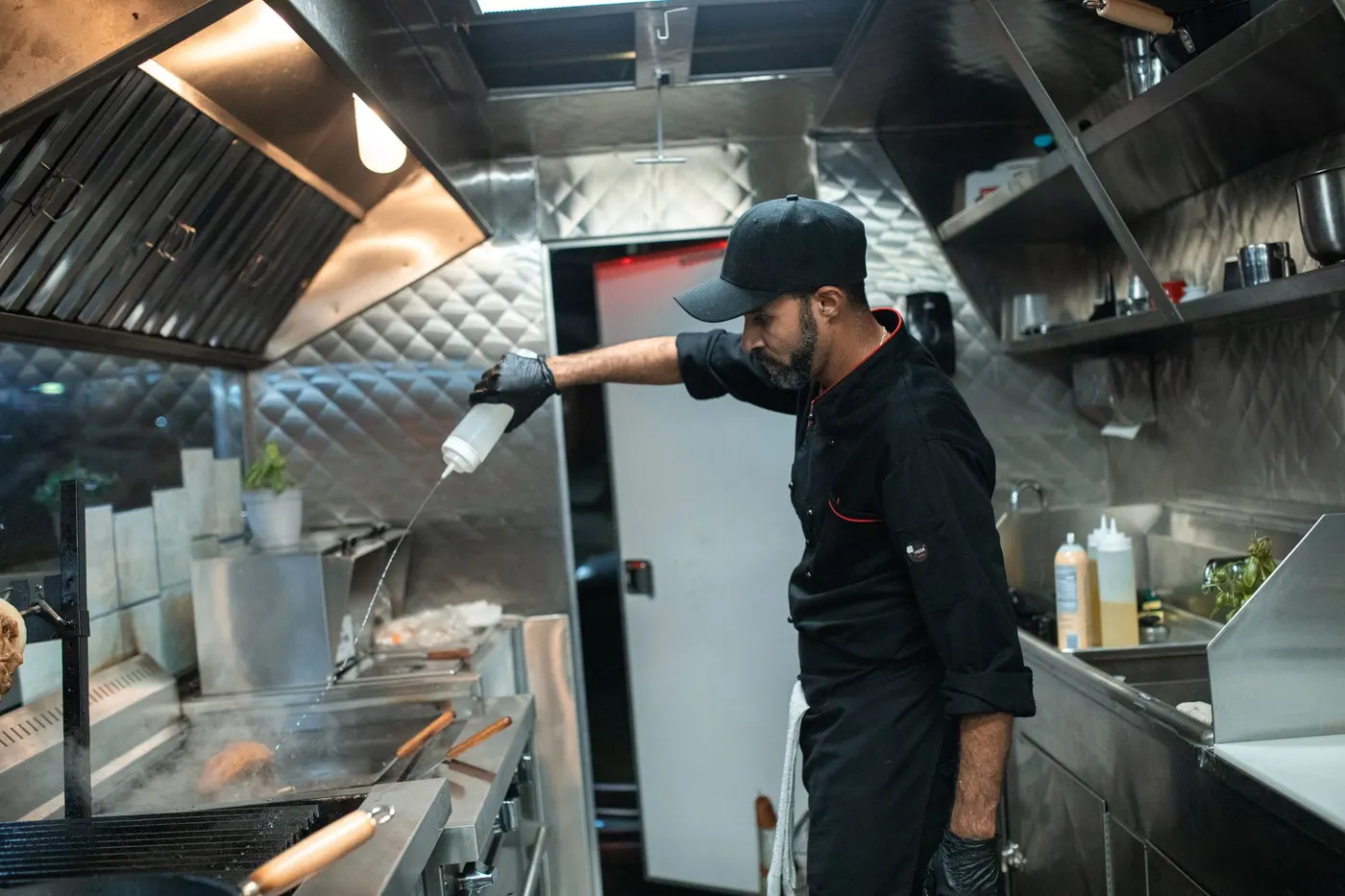
CRC picks up your grease filters, runs them through a chemical dip, sanitizing and pressure washing, and brings them back clean.
More about hood filter exchange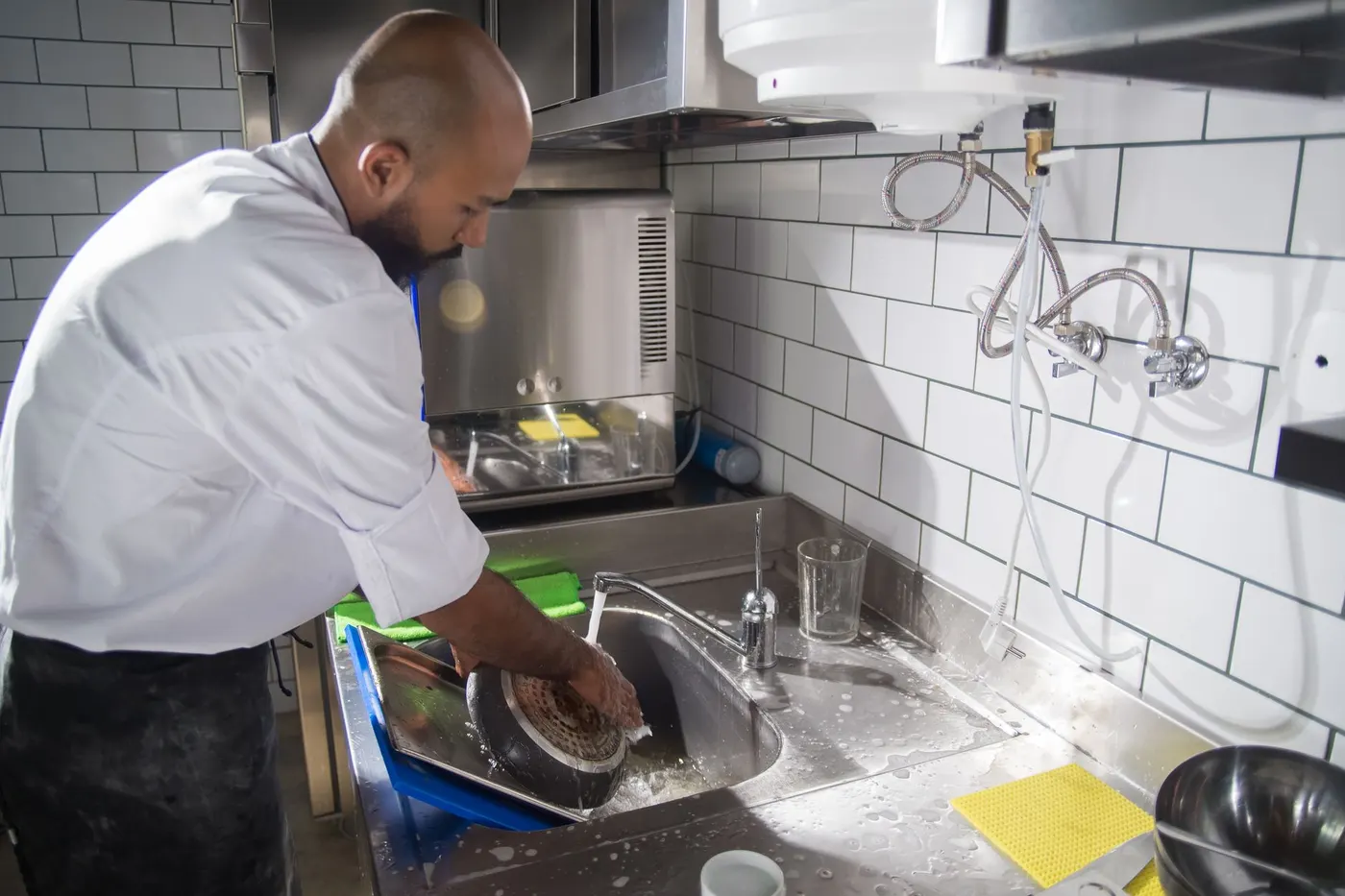
The back wall from floor to hood, behind the equipment and gas lines, the floors and the floor mats, cleaned alongside your exhaust service.
More about commercial kitchen cleaning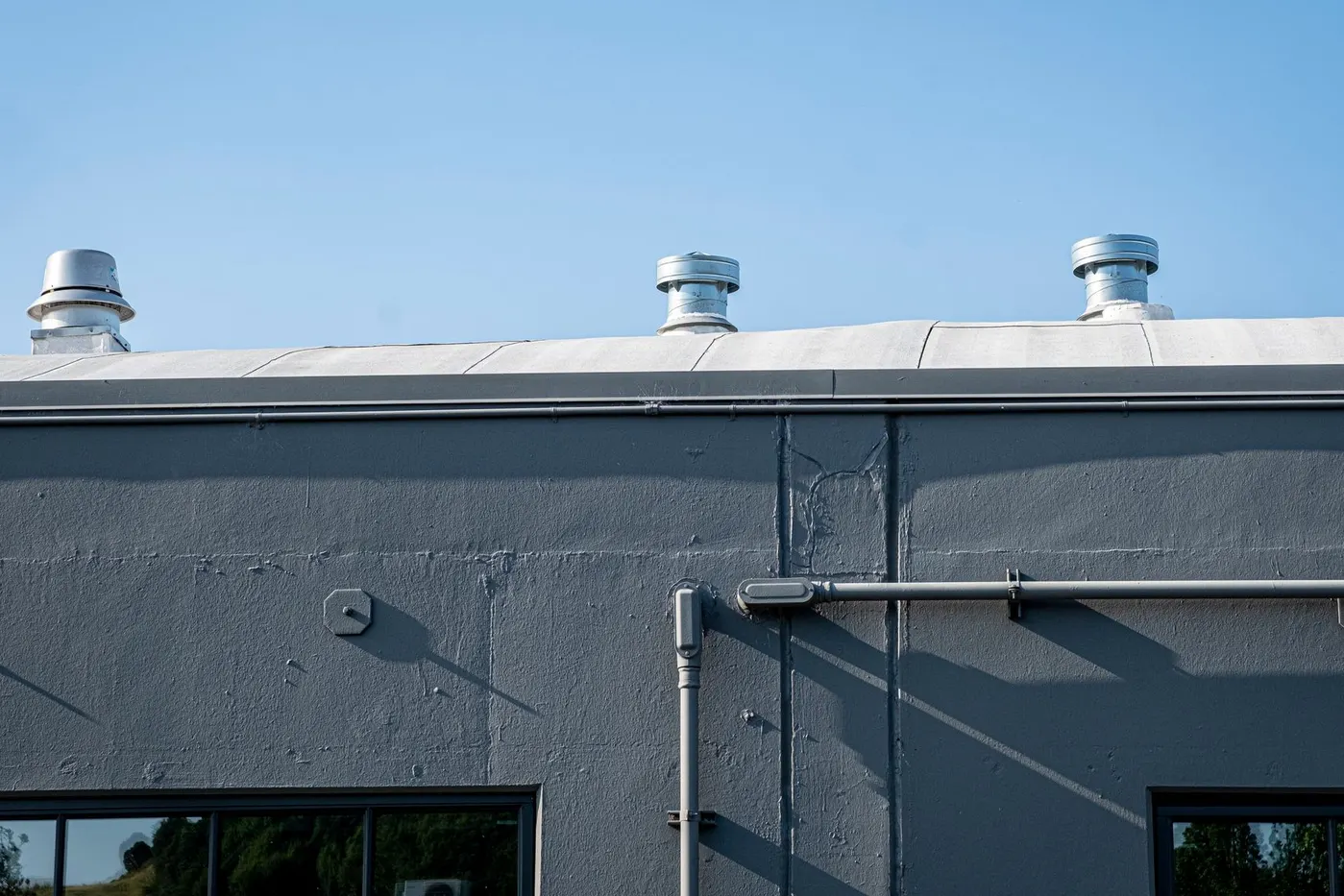
Filter changes and cavity cleaning for Captive Aire and Halton pollution control units, with replacement filters available from CRC.
More about pcu cleaning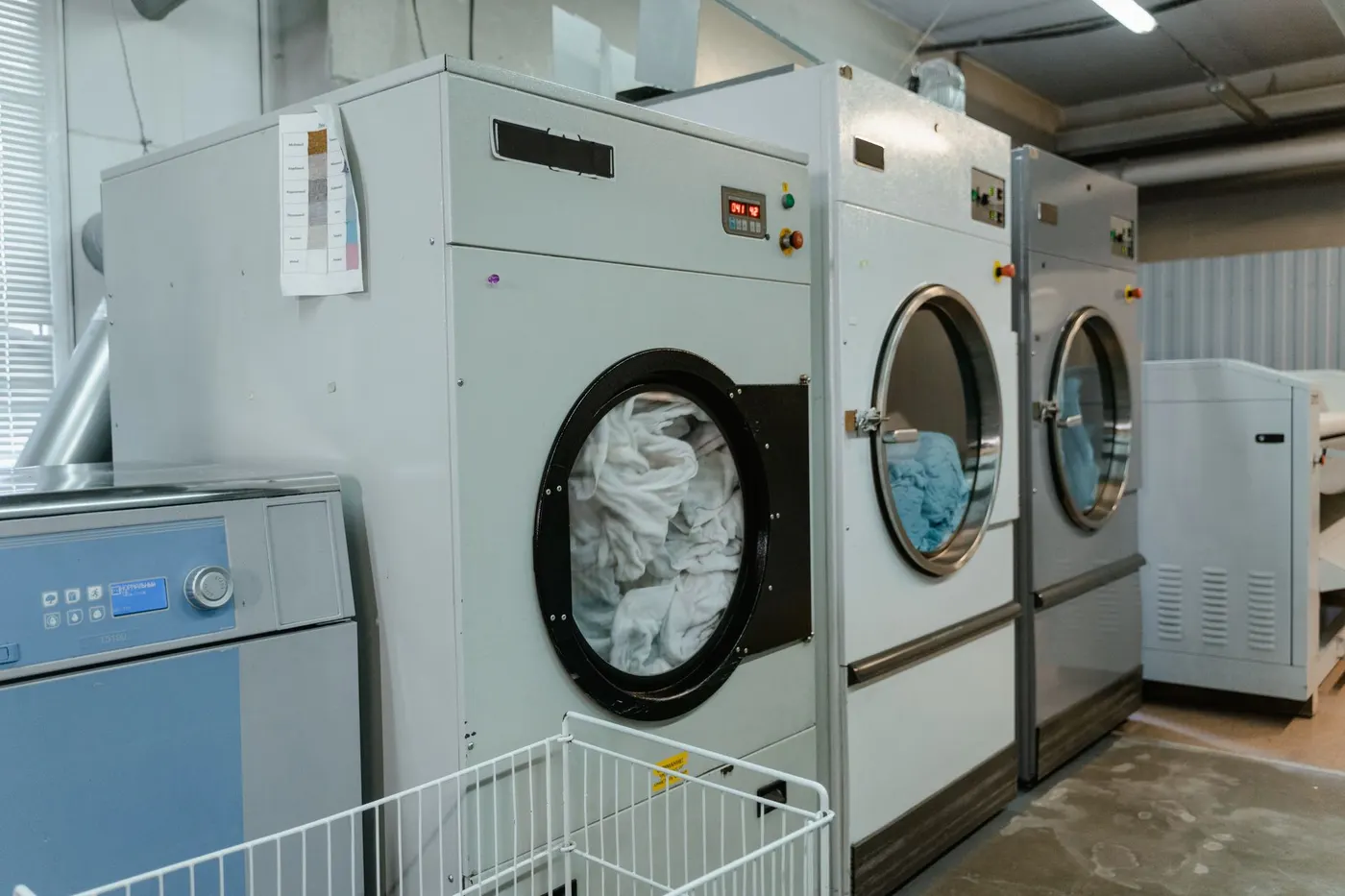
Inspection and lint removal for commercial and industrial dryer vents, with access panels installed where the duct needs them.
More about dryer vent cleaning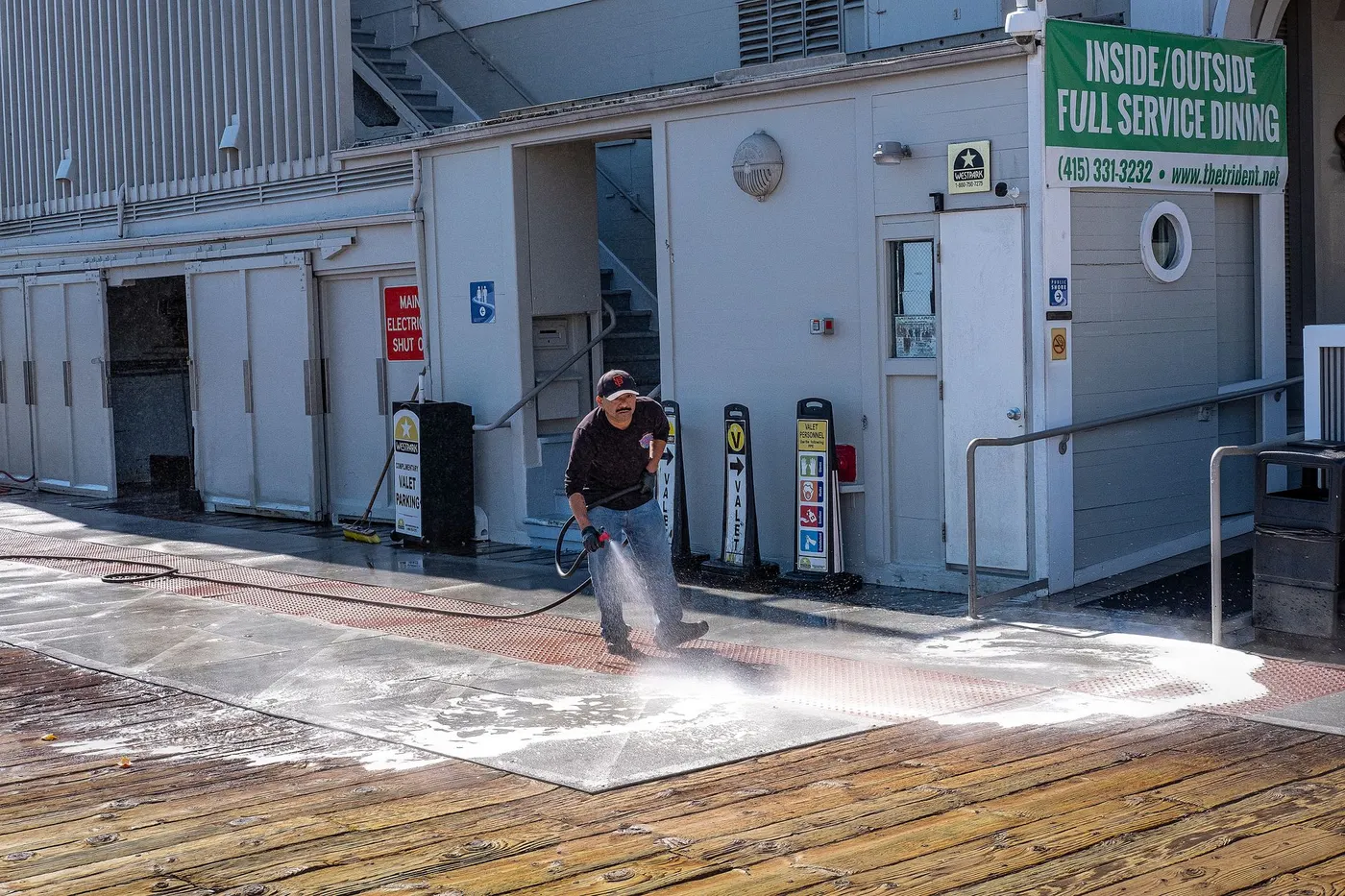
Drive-thrus, dumpster pads, sidewalks, building walls and parking lots, cleaned with concrete spinners, high-pressure washers and biodegradable cleaners.
More about commercial power washing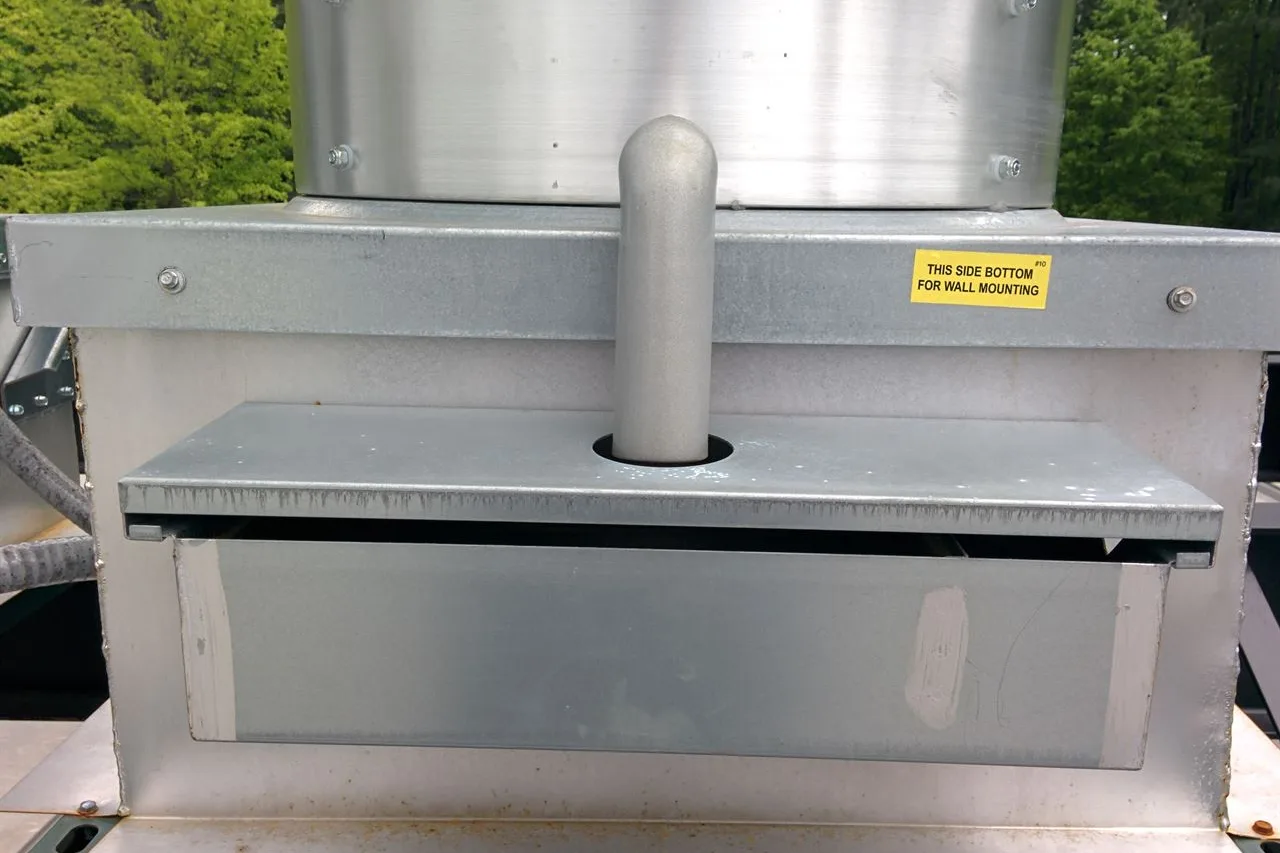
Hinge kits, cable stops and rooftop grease containment for exhaust fans, sold and installed to the NFPA 96 requirements.
NFPA 96 §8.1.6.3.2, §8.1.4.6More about hinge kits and grease containmentNFPA 96 sets how often a kitchen exhaust system has to be inspected, based on the kind of cooking it serves. Pick yours and the month it was last serviced, and you'll see the date that would go on your next sticker.
This is the NFPA 96 inspection schedule (Table 11.4). Your authority having jurisdiction, usually the fire marshal, can set its own, and CRC can inspect your system for free and tell you what it needs.
High-volume cooking calls for an inspection every 3 months, so a system last serviced in January 2026 is due in April 2026.
A fire inspector or an insurance agent will want to see more than a clean-looking hood. Every CRC cleaning leaves a record.
CRC photographs the entire system before cleaning, photographs the completed service, and records any deficiencies in the exhaust system.
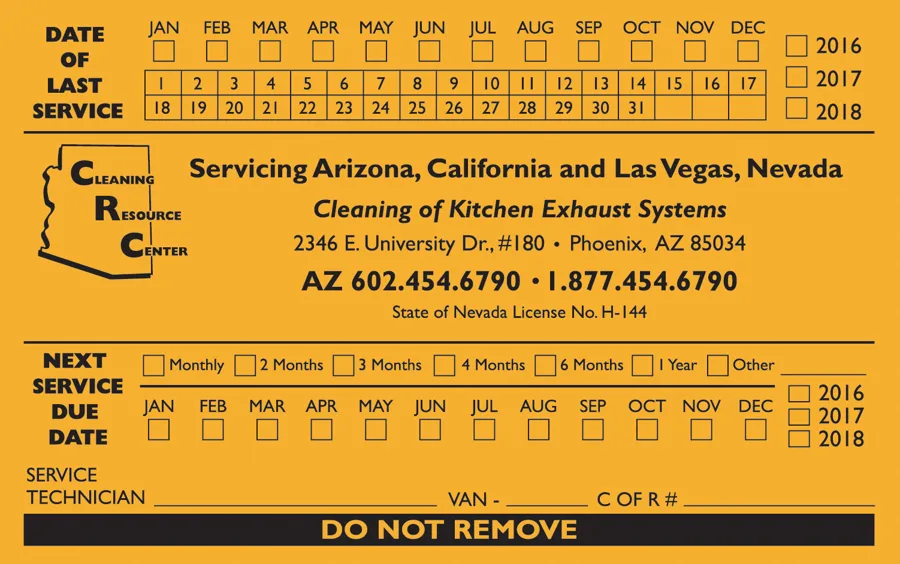
A sticker on the hood shows the date of the inspection or cleaning and the next due date, as NFPA 96 11.6.13 requires.
Every access panel that was inspected or cleaned gets a visible sticker showing what was done (NFPA 96, 11.6.10).
CRC has a quality control division. Management visits customers after cleanings to check the work, something few companies in the industry do.
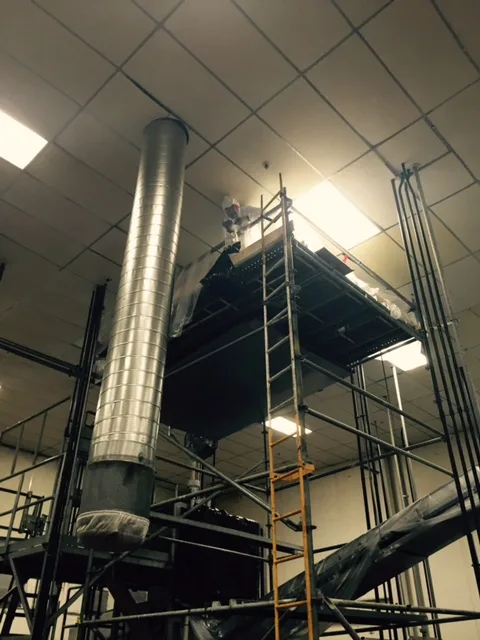
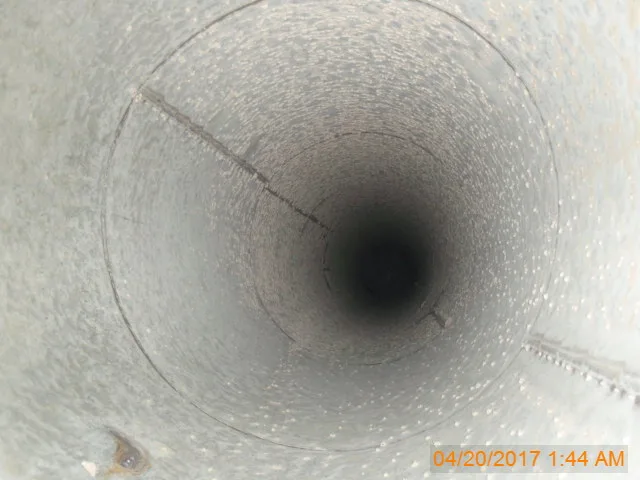
Photos from CRC's own website.
Hoods, ducts and fans cleaned on the schedule your cooking volume calls for.
High-volume exhaust systems, plus power washing for the drive-thru lane and dumpster pad.
Cafeteria and campus kitchen exhaust kept clean and up to code.
Commercial kitchens in care facilities, cleaned and documented.
Exhaust hoods in mobile kitchens, which build up grease like any other.
Kitchens inside grocery stores and larger facilities, including ones managed by a facilities team.
CRC runs background checks on new employees and keeps its technicians in constant training, with room for each person to move up.
Some exhaust systems were poorly designed and leave little or no access for cleaning. CRC specializes in those and works out a plan to get them compliant.
Safety is the top priority, whether a crew is driving a service van or working on site in your kitchen or on your roof.
CRC aims to answer quickly, keep you informed and leave the work done right, through to the last bit of cleanup in your facility.
CRC is veteran owned and operated and is committed to hiring and keeping military veterans.
Tell CRC what kind of kitchen it is, how much you cook and when the system was last cleaned. Call (602) 454-6790.
CRC inspects the exhaust system and quotes the cleaning, including anything that needs fixing to bring it up to code.
The crew cleans the whole system, photographs it before and after, and leaves a dated sticker with the next due date.
CRC cleans commercial kitchen exhaust systems in Arizona, Nevada, California and Utah. If you are not sure whether your site is covered, call (602) 454-6790 and ask.
Check the sticker on the hood. If there isn't one, or the date has passed, CRC will inspect the system and quote the cleaning for free.
Short answers about NFPA 96, the cleaning and how an inspection works.
Or call (602) 454-6790NFPA 96 Table 11.4 sets the inspection schedule by type of cooking: monthly for solid fuel, quarterly for high-volume cooking such as 24-hour kitchens, charbroiling or wok cooking, semi-annually for moderate volume, and annually for low volume such as churches, day camps, seasonal businesses and senior centers. Your fire marshal can set a different schedule.
The scope CRC follows (NFPA 96, 11.6) covers the exhaust fan, all connecting ductwork from the hood to the fan, the plenum, the grease trough and the filter rails, plus the filters on request. A clean-looking hood can still have grease throughout the rest of the system.
CRC puts a sticker on the hood with the date of the inspection or cleaning and the next due date (NFPA 96, 11.6.13). Each access panel that was inspected or cleaned also gets a sticker showing what was done (11.6.10).
Yes. CRC offers a free inspection and quote. Call (602) 454-6790 to set one up.
Arizona, Nevada, California and Utah. Nevada work includes Las Vegas. If you are not sure your site is covered, call (602) 454-6790.
Yes, CRC is 100% ISNetworld approved. ISNetworld collects and reviews a contractor's safety, insurance and regulatory information for the companies that hire them.
Yes. CRC distributes for every major hood filter manufacturer and carries Type I, Type II and Type III filters, along with rooftop grease containment, drip cups, hinge kits, cable stops and hood globes.
CRC picks up your grease filters, puts them through a chemical dip, sanitizes and pressure washes them, then returns them to your kitchen.
Yes. The exhaust fan is part of every exhaust cleaning. NFPA 96 also requires upblast and downblast dome fans to have hinges, and CRC sells and installs hinge kits and cable stops.
Tell CRC about the kitchen, the type of cooking and when the system was last cleaned. CRC will inspect the exhaust system and quote the work at no charge.